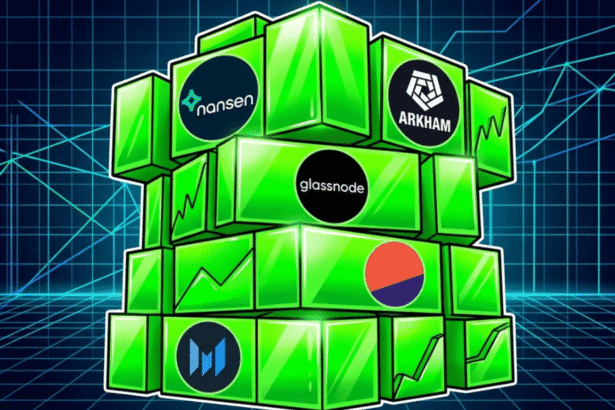
The best on-chain analytics tools in 2026 are Nansen, Glassnode, Dune, Arkham, and Messari. Dune is the strongest pick for open, transparent blockchain queries. Arkham is the fastest way to investigate any wallet or entity. Glassnode is the best choice for macro cycle analysis and institutional supply metrics.
Quick comparison
Here is how the top tools shape up for different research workflows:
Related guides: Hyperliquid vs dYdX in 2026: Liquidity, Fees and Decentralization, Best Telegram Casinos in 2026: TON Mini-Apps and Bot Casinos That Play Inside Telegram, and Best Stablecoin Payment Platforms in 2026: USDT, USDC and Business Crypto Rails Compared
| Tool | Best for | Main strength | Main tradeoff | Friction score |
|---|---|---|---|---|
| Nansen | Wallet intelligence | Labeled smart money flows | High subscription barrier | 4/10 |
| Glassnode | Macro market data | Clear institutional supply metrics | Less suited for individual coin tracking | 3/10 |
| Dune | Custom dashboards | Open SQL-based blockchain queries | Requires coding/SQL knowledge | 7/10 |
| Arkham | Wallet investigation | Entity-level transaction tracing | Focuses on raw data over research context | 1/10 |
| Messari | Fundamental research | Narrative reporting plus macro data | Expensive enterprise tiers | 4/10 |
5 Best On-Chain Analytics Tools Reviewed (2026 List)
If you are still exploring related tools, you can compare these picks against our guides on best crypto portfolio trackers or best crypto exchanges.
Here, we dive deep into the 5 best on-chain analytics tools, analysing their data depth, query flexibility, setup friction, visual clarity, and coverage breadth to help you identify the right tool for your research workflow.
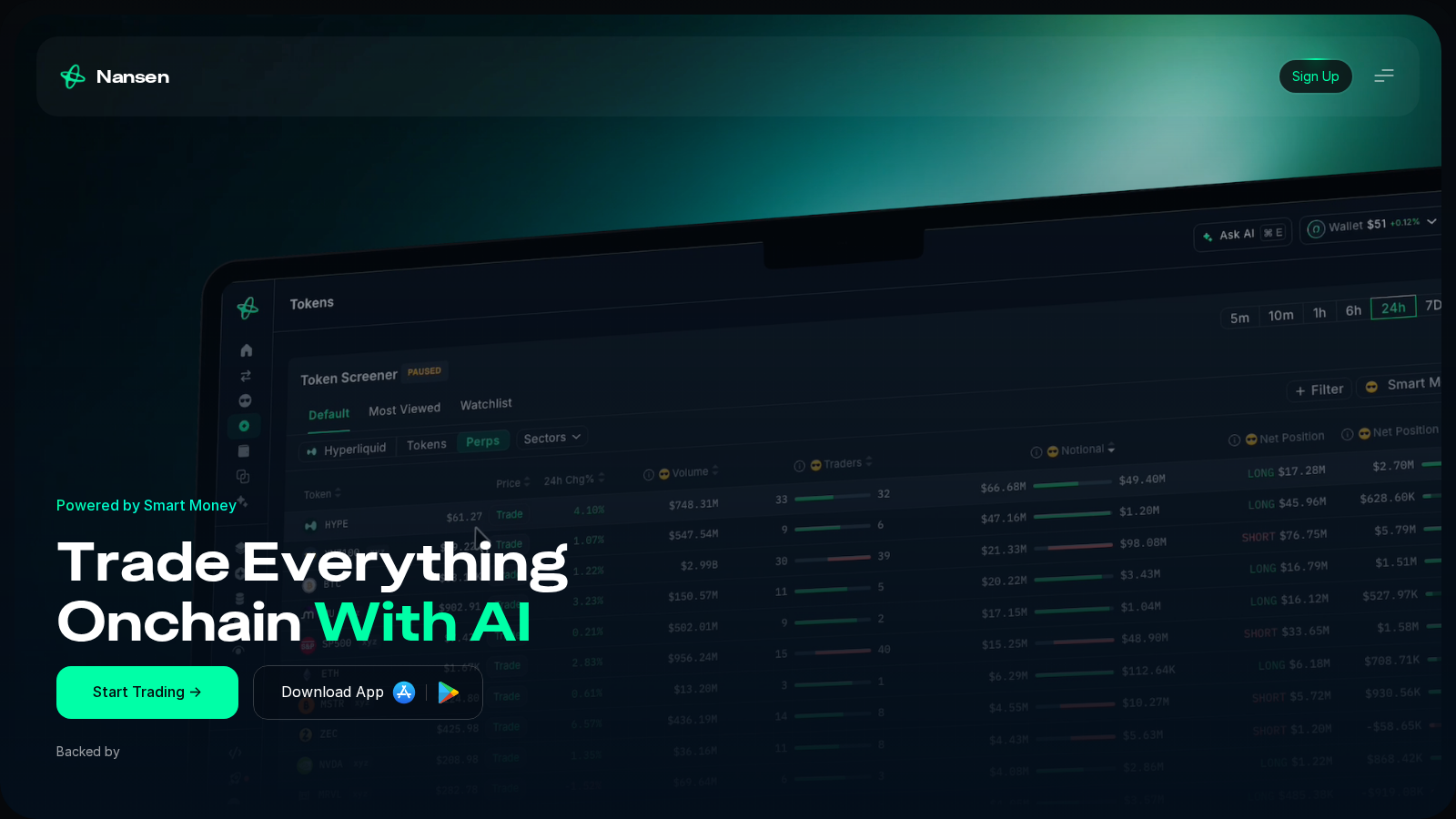
Nansen
Our pick for: Smart-money and labeled-wallet tracking.
Nansen is the industry standard for mapping out wallet ownership. Instead of looking at anonymous hex addresses, Nansen labels wallets based on behavior (like “Smart Money,” “Flash Boys,” or “VC funds”). This lets you track where early capital is moving before the rest of the market notices.
- Friction score: 4/10. Navigating the token flows is simple. But setting up custom smart-money alerts takes configuration.
- Not recommended for: Casual retail traders who do not actively monitor daily flows.
On Reddit, a CryptoCurrency Reddit thread on spotting potential gems described Nansen’s smart-money labels as useful for watching developer wallets and early holders. That is the practical advantage: labels turn an address list into a shortlist, but they still need a human check before you treat a wallet as a signal.
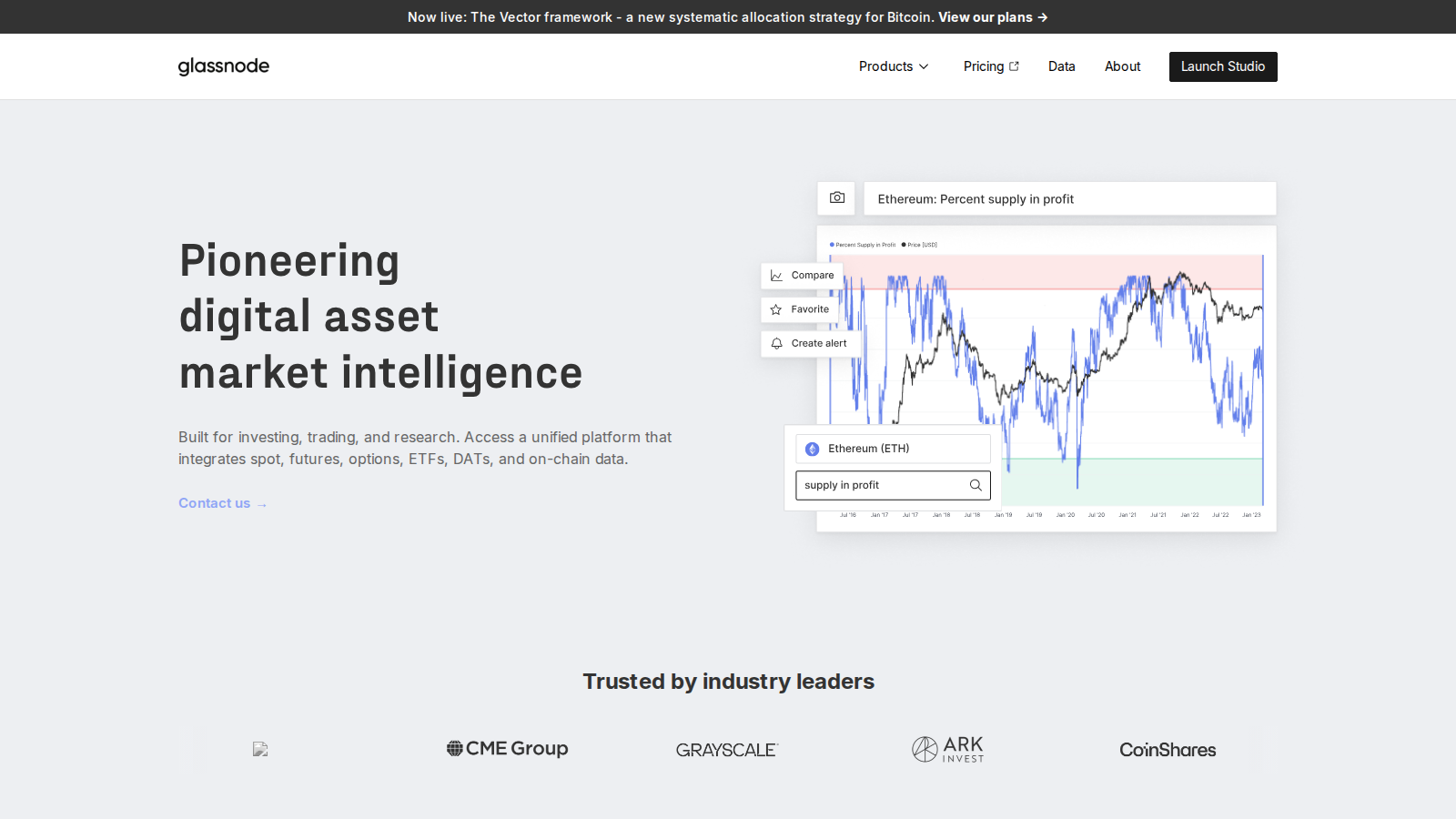
Glassnode
Our pick for: Macro market structure.
Glassnode is built for cycle analysis and macro signals. It measures supply dynamics, miner behavior, and realized capitalization to help you determine if the market is in an accumulation or distribution phase. It is the tool you use to build a long-term investment thesis.
- Friction score: 3/10. Ready-made charts mean you do not have to write queries. But understanding the charts requires a background in economics.
- Not recommended for: Short-term traders looking for fast individual coin indicators.
On Reddit, a CryptoCurrency Reddit thread analyzing a market dip paired Glassnode and CryptoQuant miner-outflow data to explain a sudden correction. The useful lesson from that discussion is to read flows as context for price, not as a standalone buy or sell trigger.
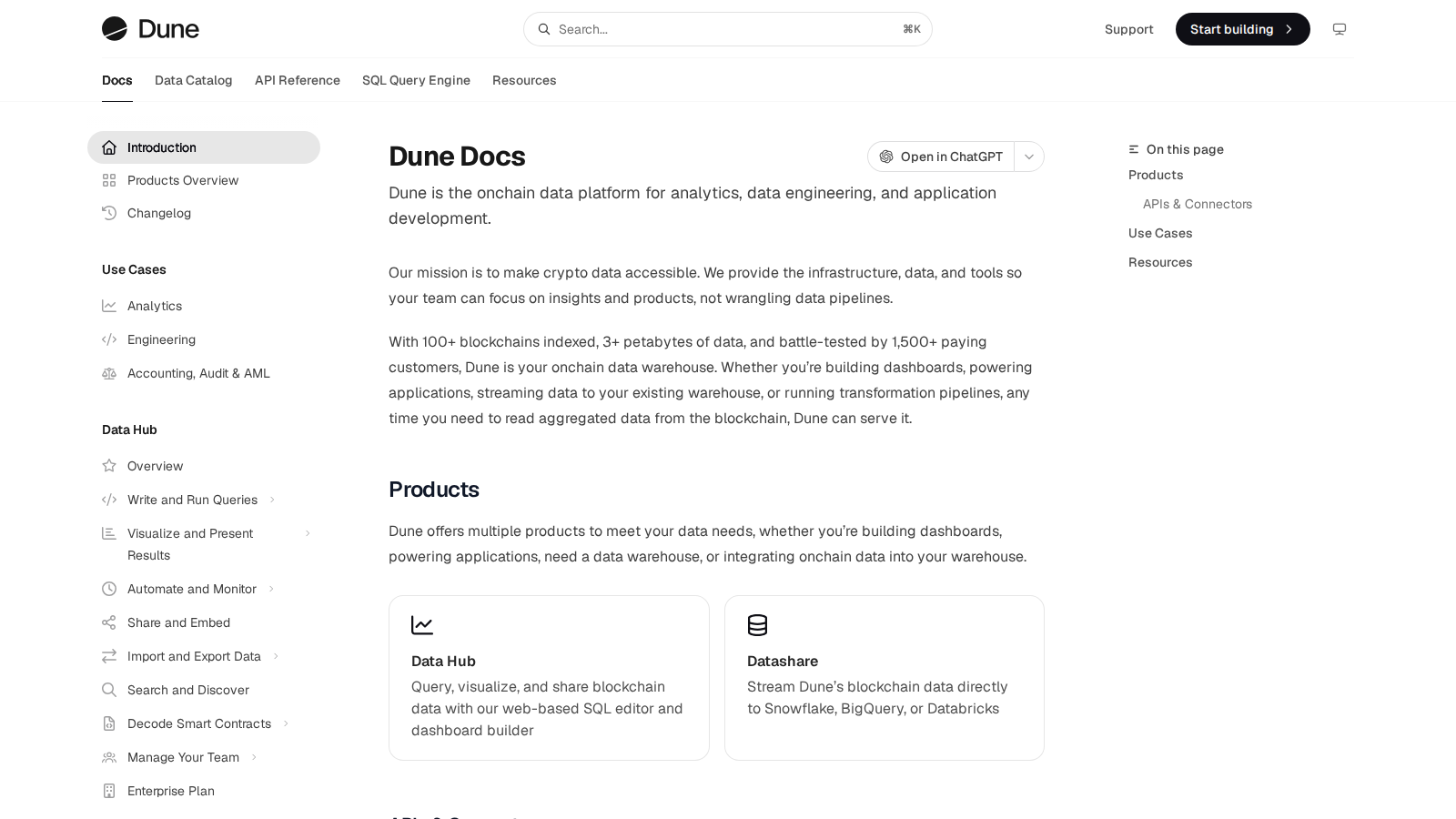
Dune
Our pick for: Custom dashboards and open queries.
Dune lets you query raw blockchain data using SQL and turn it into custom dashboards. Because it is community-driven, you can find dashboards for almost any protocol, NFT project, or bridge flow for free. It is the most transparent data tool in crypto.
- Friction score: 7/10. Finding existing dashboards is simple. But building your own requires database knowledge and SQL coding.
- Not recommended for: Users who want prepackaged opinions without looking at the underlying queries.
On Reddit, a CryptoCurrency Reddit thread on educational resources recommended Dune as a practical way to learn onchain analysis. The user-facing benefit is easy to understand: you can inspect the query behind a chart instead of accepting a black-box metric.
Arkham
Our pick for: Wallet-level investigation.
Arkham is a visualization platform that maps addresses to real-world entities. It is built like an investigative search engine, showing you the exact flow of funds between exchanges, known smart contracts, and individual wallets.
- Friction score: 1/10. Paste any address or search for a public entity (like an exchange or fund) and you get an instant graphic of their transactions.
- Not recommended for: High-level macro indicators or general market cycle analysis.
On Reddit, users tracking Satoshi’s wallet balance pointed to Arkham’s entity-level dashboard for checking dormant addresses. That fits Arkham’s role in this list, although its public site returned a Cloudflare challenge during our capture, so we did not treat the blocked page as visual evidence.
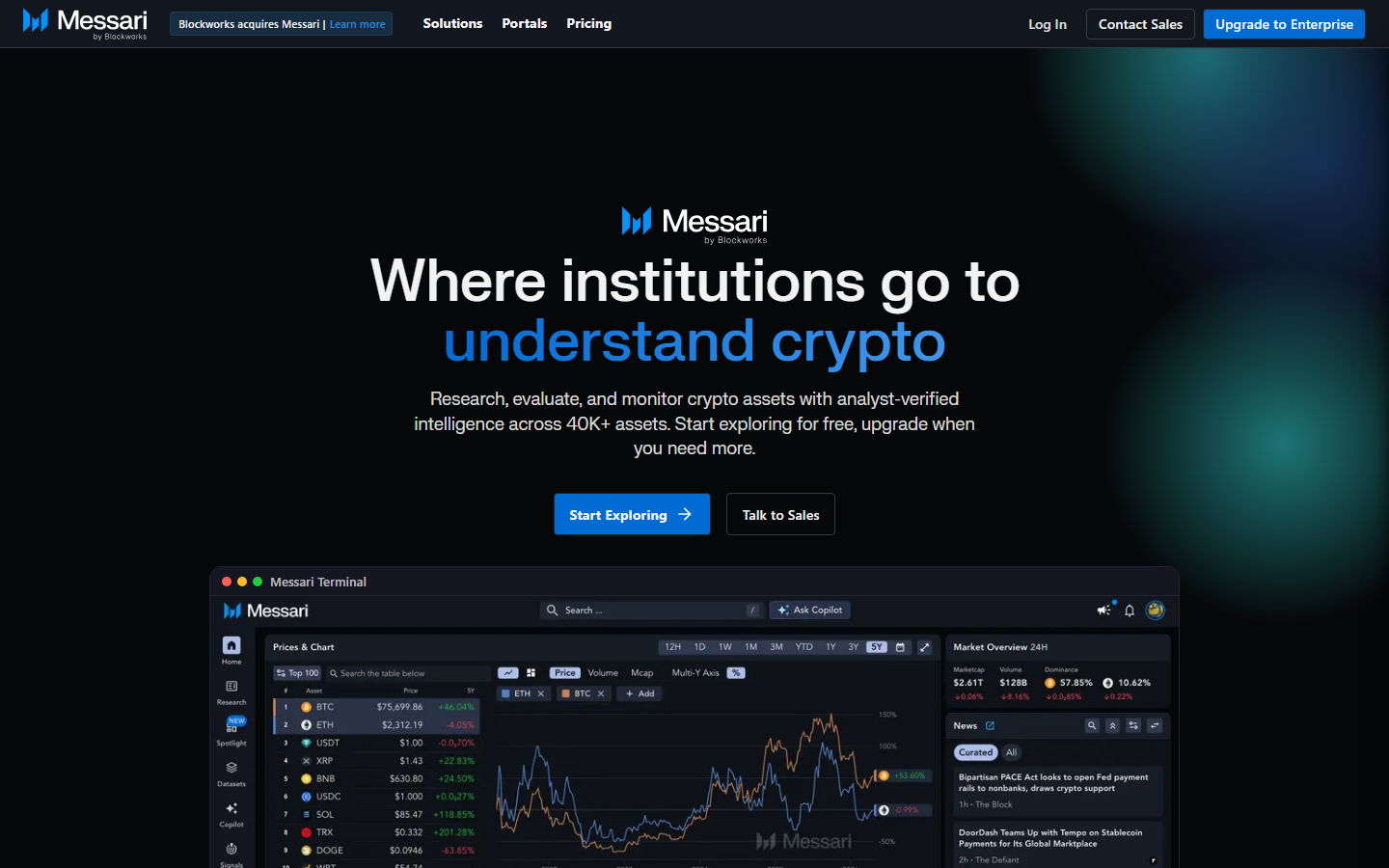
Messari
Our pick for: Research-led market monitoring.
Messari combines fundamental data with research reports. It is the tool you use when you want to read a structured thesis on an ecosystem rotation, verify protocol revenue metrics, and track asset registries in the same workspace.
- Friction score: 4/10. The research feed is organized. But customizing the data screening tables requires setting up filters.
- Not recommended for: Raw wallet tracking or real-time mempool analysis.
On Reddit, users discussing research tools recommend Messari for governance tracking and structural reports, while warning that the most useful metrics sit behind premium annual pricing. That trade-off matters here: the public research layer is easy to inspect, but the paid workflow determines whether it replaces another data subscription.
Common onchain analysis mistakes to avoid
- Confusing internal transfers with sales: Large transfers out of exchange wallets are often just the exchange rearranging its cold storage, not a whale preparing to sell.
- Ignoring bridge volume context: A spike in cross-chain bridge activity can reflect arbitrage bot loops rather than actual organic user interest.
- Overestimating labeled wallets: Labeled addresses are approximations. A wallet labeled as “Smart Money” can still make bad trades or lose key custody.
Setup Recommendation
If you are building your research setup:
1. Start with Dune to find free, community-curated dashboards for specific protocols.
2. Use Arkham to trace individual wallets or watch exchange outflows.
3. Layer on Glassnode if you need cycle indicators to manage your macro portfolio allocation.
But here is what to watch for: no dashboard can tell you whether a wallet movement reflects a sale, internal exchange routing, or a bridge loop without context from the underlying transaction.
What we checked ourselves before ranking these tools
To write this comparison, we reviewed the live public product surfaces of the shortlisted tools and compared how each one frames the analytical workflow, data access model, and research posture. We did that so the article would not depend only on feature summaries and recycled roundups.
That direct review does not replace a full paid-tier test with live query execution, wallet investigation, and side-by-side data validation. But it does show very quickly which tools are built for open community analysis, which are built for wallet intelligence, and which are built for macro research.
The problem with most onchain analytics tools is that they show you thousands of charts but leave you guessing what the data actually means. You can spend hours staring at exchange flows or active addresses, only to realize you are looking at internal transfers rather than real buying pressure. This guide evaluated the top tools for data accuracy, setup friction, and analytical workflow.
| Tool | Outstanding point | Score | One-line note |
|---|---|---|---|
| Dune | Most transparent open query platform | 4.5/5 | Requires SQL knowledge to build your own dashboards |
| Arkham | Fastest wallet-level investigation | 4.5/5 | Focused on raw data, not research context |
| Glassnode | Best macro cycle and supply metrics | 4/5 | Less suited for individual coin tracking |
| Nansen | Best smart-money wallet labeling | 4/5 | High subscription barrier for full access |
| Messari | Best research-led market monitoring | 3.5/5 | Most useful metrics sit behind premium pricing |
Ranking scorecard
Scored out of 10 per category. Total out of 70.
| Tool | Data depth | Query flexibility | Setup ease | Visual clarity | Free tier value | Update speed | Coverage breadth | Total |
|---|---|---|---|---|---|---|---|---|
| Dune | 9 | 10 | 4 | 7 | 9 | 8 | 9 | 56 |
| Arkham | 8 | 6 | 10 | 8 | 9 | 9 | 7 | 57 |
| Glassnode | 9 | 5 | 8 | 9 | 5 | 8 | 7 | 51 |
| Nansen | 9 | 6 | 7 | 8 | 3 | 8 | 8 | 49 |
| Messari | 7 | 4 | 7 | 7 | 5 | 6 | 8 | 44 |
Scoring notes. Data depth measures granularity of on-chain data available. Query flexibility scores how much control you have over custom analysis. Setup ease reflects time from first visit to a useful insight. Visual clarity rates how well the tool presents complex data. Free tier value weighs what is accessible without a paid subscription. Update speed measures how quickly new chain data appears. Coverage breadth scores the number of chains and protocols tracked. Arkham and Dune score highest because they combine strong free access with deep data, but Arkham wins on setup ease while Dune wins on query control.
What this review verified and what it did not
| Claim | Status |
|---|---|
| Dune documentation homepage and query catalog reviewed | Verified |
| Nansen public homepage and smart-money positioning reviewed | Verified |
| Glassnode public homepage and cycle indicator surface reviewed | Verified |
| Arkham public product surface reviewed (Cloudflare challenge noted) | Partially verified |
| Messari public homepage and research surface reviewed | Verified |
| Paid dashboard features tested on any platform | Not verified |
| Custom SQL query executed and validated on Dune | Not verified |
| Wallet investigation completed end-to-end on Arkham | Not verified |
| Smart-money alert configured and tested on Nansen | Not verified |
FAQ
Is Nansen worth the subscription cost?
Yes, but only if you manage enough capital to offset the premium tier price, or if you run a trading setup that actively executes based on smart-money flows.
How does Dune get its data?
Dune ingests raw blockchain events, parses them into database tables, and exposes them via SQL query tools for analysts to build dashboards.
Can Arkham identify who owns a wallet?
Arkham uses public database labeling and community submissions to associate addresses with entities, but many private wallets remain labeled only by algorithmic clustering behavior.
Disclaimer: This article is for informational purposes only and does not constitute financial or investment advice. Cryptocurrency and digital asset markets carry significant risk. Always do your own research before making decisions.